Methodology and applications of microbiological analyses of food and beverages
Seminar duration: 4 hours
Seminar cost: 120 euros
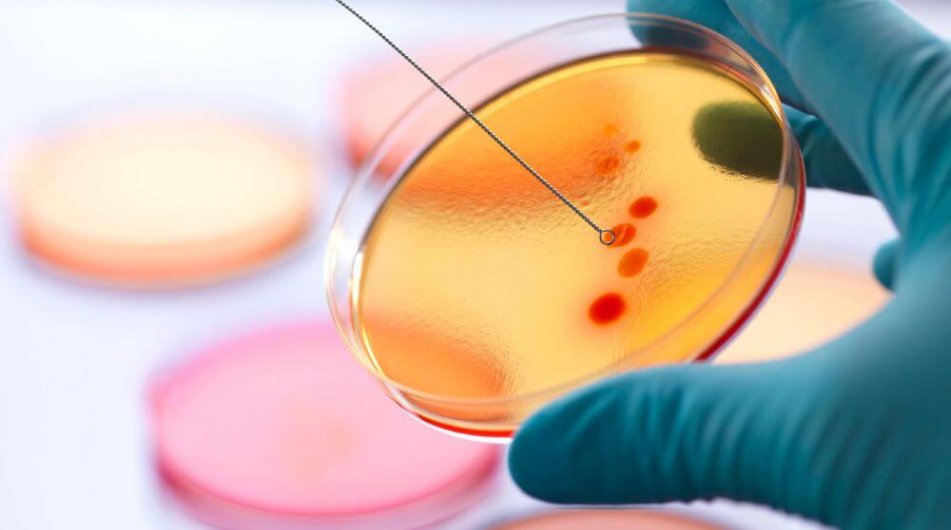
Food microbiology deals with the study of microorganisms that exist or can grow in foods and beverages, affecting their safety and quality. The basic methodology includes proper sampling, cultivation of microorganisms in special nutrient media, incubation under controlled conditions, and evaluation of the results through identification and counting. These analyses are applied at all stages of production and distribution, with the aim of controlling pathogens such as Salmonella and Listeria, ensuring product hygiene, compliance with legislation (e.g. Regulation 2073/2005) and documentation of quality systems such as HACCP and ISO standards.
Learning objectives at the end of the seminar:
Understanding basic concepts of food microbiology.
Familiarity with the main sampling and sample preparation methods.
Familiarity with cultures, growth media and incubation techniques of microorganisms.
Recognition and identification of common pathogenic and spoilage microorganisms
Analysis and interpretation of microbiological results based on applicable legislation (e.g. EU Regulation 2073/2005).